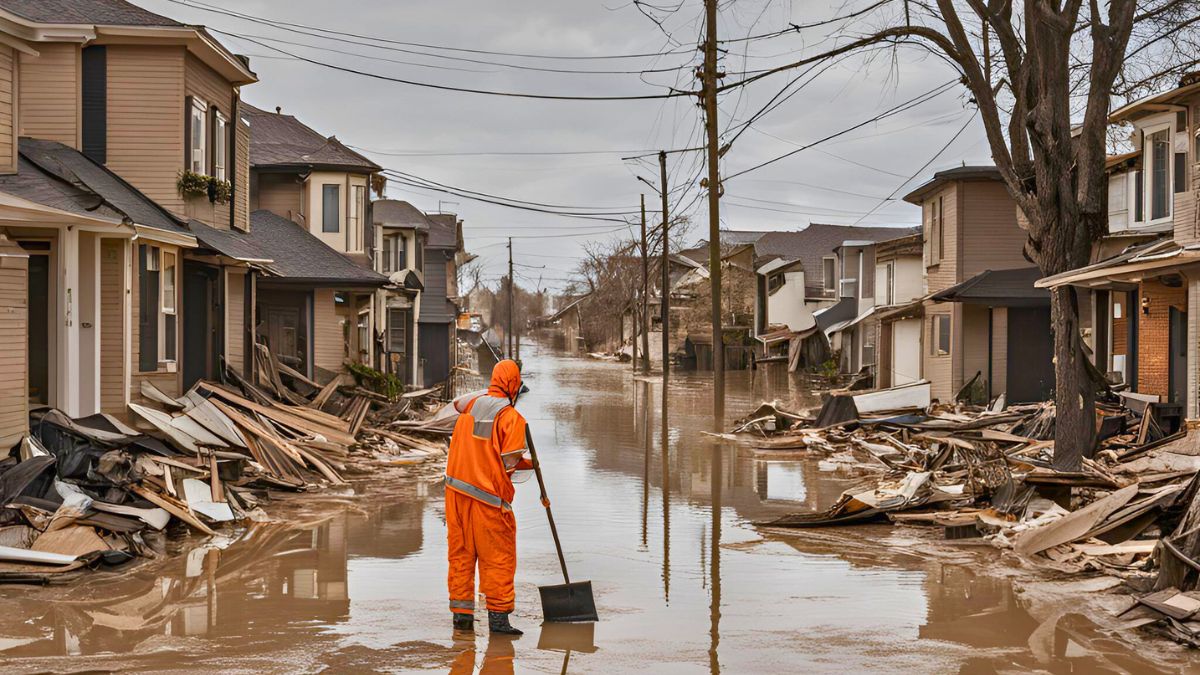
Faced with the recommendations of the European Union and the concerns raised by crises – be they natural disasters or conflicts – many countries are now talking about the importance of a 72-hour survival kit.
Rather than limiting yourself to temporary solutions, why not aim for lasting autonomy, by learning to fend for yourself? In other words, have you considered investing in long-term self-sufficiency, rather than simply stocking up for a few days?
Survival kits for 72 hours
On Wednesday March 26, the European Commission proposed a crisis management and preparedness strategy, with the development of a survival kit ranging from water bottles and vitamin bars to flashlights and matchboxes. A national preparedness day has also been proposed by the EU.
Several countries have also decided to publish manuscripts for the general public. On March 21, the French government announced that it would be sending a survival manual to its citizens.
This new strategy would prevent panic in the face of a crisis, natural disaster, pandemic or potential conflict. The Covid 19 crisis was used as an example. As soon as containment was announced, citizens rushed to the supermarkets to “survive”.
While these attempts at anticipation are intended to limit panic movements over 72 hours, what about the medium/long term? Or what happens after that?
Providing for emergencies without preparing for medium- and long-term autonomy
72-hour survival kits are designed to cope with an immediate emergency. They offer a temporary solution with non-perishable products, often of limited variety, adapted to the first hours of a crisis.
But these kits are not a complete answer to the challenges of long-term food self-sufficiency. For true resilience, we need to think about sustainable solutions that enable people to produce their own food, thus ensuring ongoing food security.
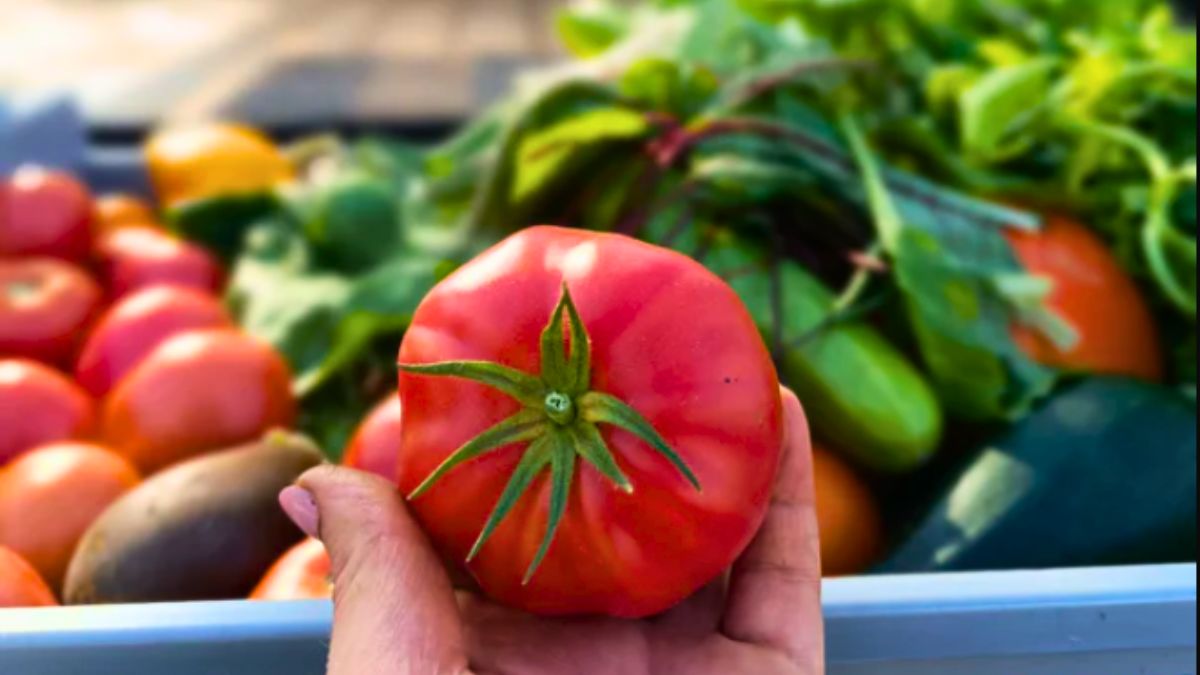
Investing in a greenhouse: a sustainable solution
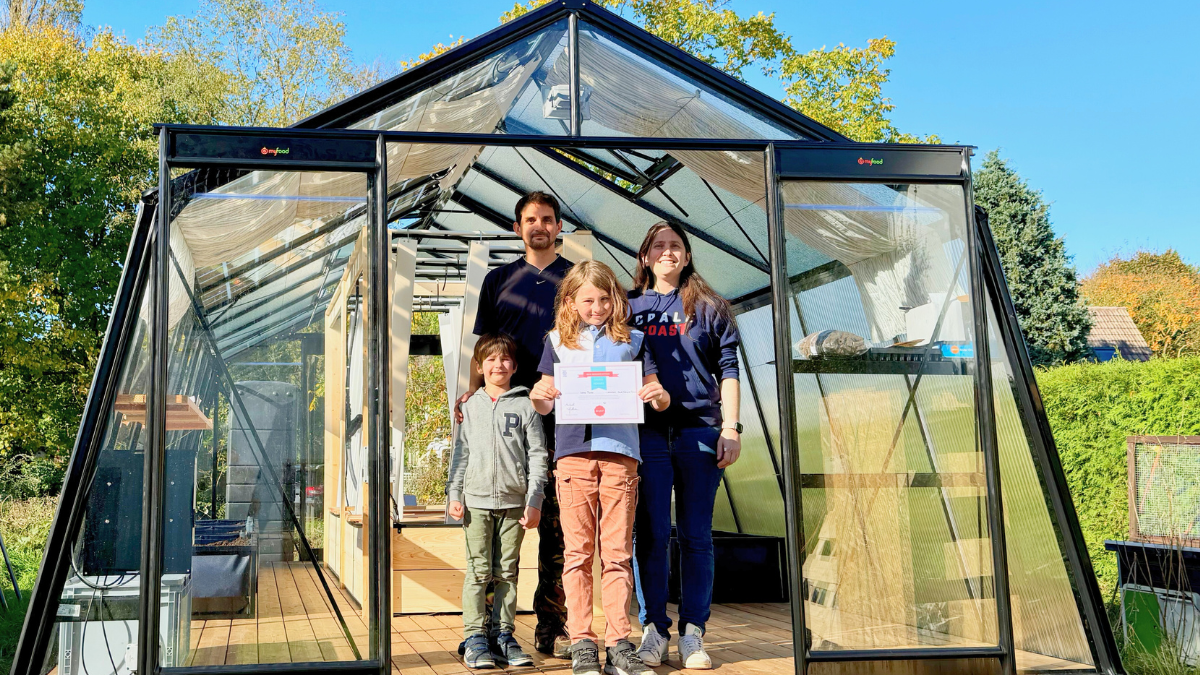
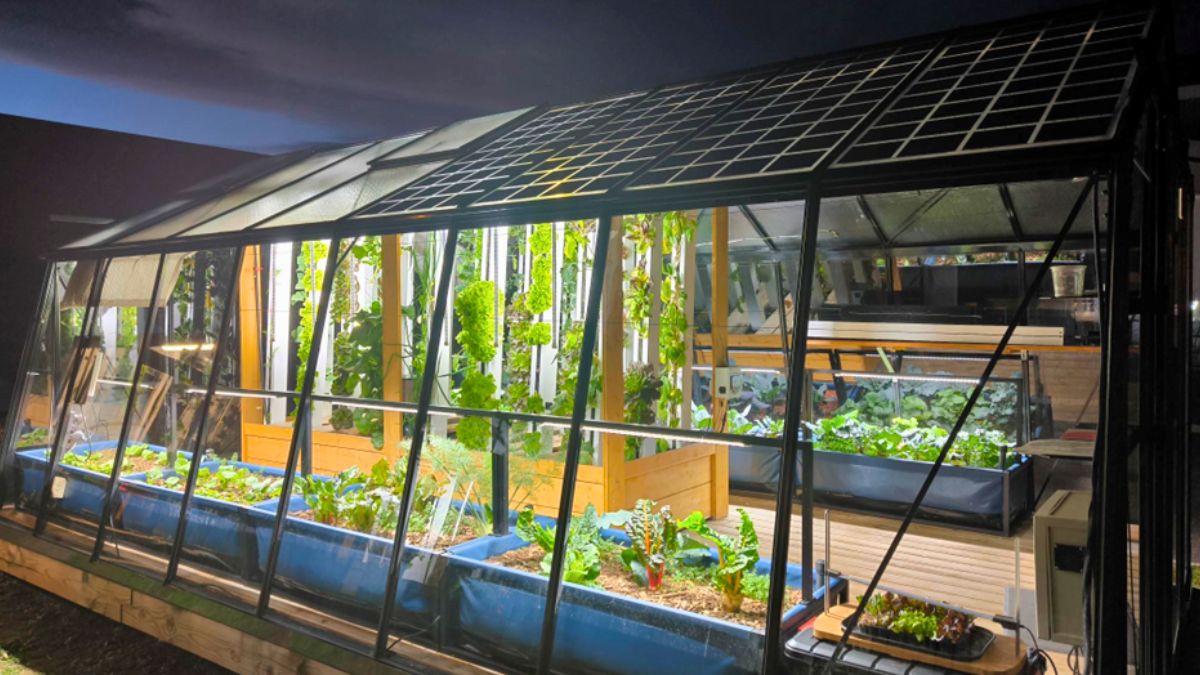
There are many advantages to owning your own greenhouse (better than a bunker, anyway!).
- Produce fresh, healthy, ultra-nutritious fruit and vegetables on a regular basis, all year round.
- No longer dependent on the vagaries of distribution channels. No more shortages, stock-outs or supply problems.
- Reduce food costs. A family of 3 or 4 spends an average of €185 a month on fruit and vegetables, with no return on investment. With Myfood, it takes less than 5 years to save, as we explain in this article.
Unlike survival kits, the greenhouse offers a sustainable solution as part of a long-term investment strategy. It transforms food sourcing into a proactive approach, enabling us to deal with the unexpected while ensuring ongoing food security.
So before you equip yourself with a 72-hour survival kit, think about investing in your food future! Anticipate the summer season and install your greenhouse now.