

It’s 8:12. You’re at the checkout, as usual. You put down your shopping, take out your card, then wait for the familiar beep.
Nothing.
The cashier looks at you, a little embarrassed: “The network is down.”
You try again. Still nothing. Behind you, the line grows longer. Some are already putting down their items. You do the same, a little annoyed, but not really worried. After all, it’s just a bug.
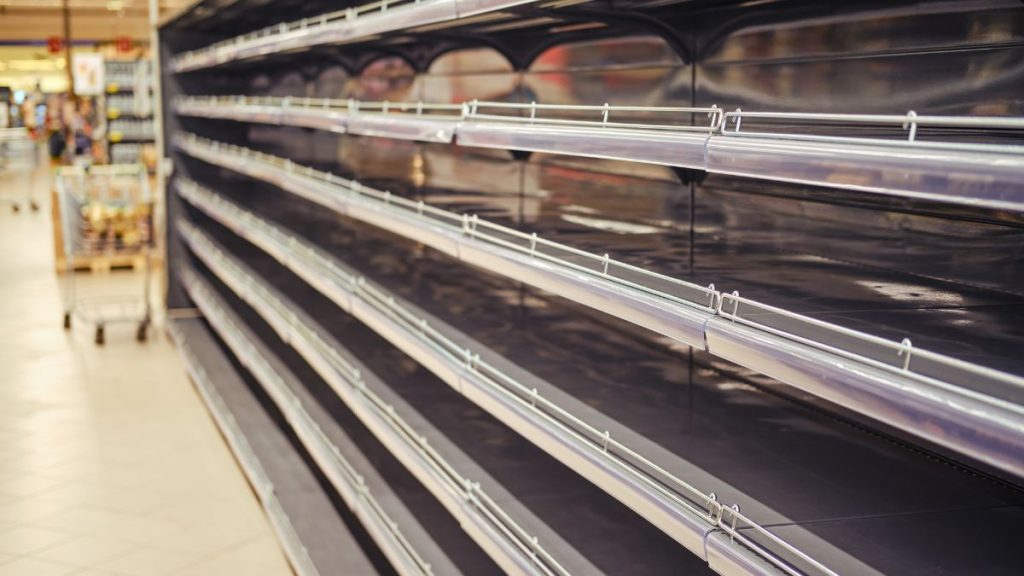
The next day, the vending machines are full. Some are already empty. Payments are intermittent. In supermarkets, shelves are beginning to thin. Not because food is in short supply, but because deliveries are no longer keeping pace.
Within a few days, gasoline became harder to find, purchases were limited and a diffuse tension set in. Nothing spectacular. No chaos. Just a system that slows down… and with it, all our daily lives.
High-performance mechanics… but under pressure
We’ve built up a remarkably efficient lifestyle. Everything is available, all the time, with an almost invisible fluidity. But this simplicity is actually based on an extremely complex organization: globalized supply chains, minimal inventories, dependence on digital systems and continuous energy.
And today, this mechanism is already under pressure.
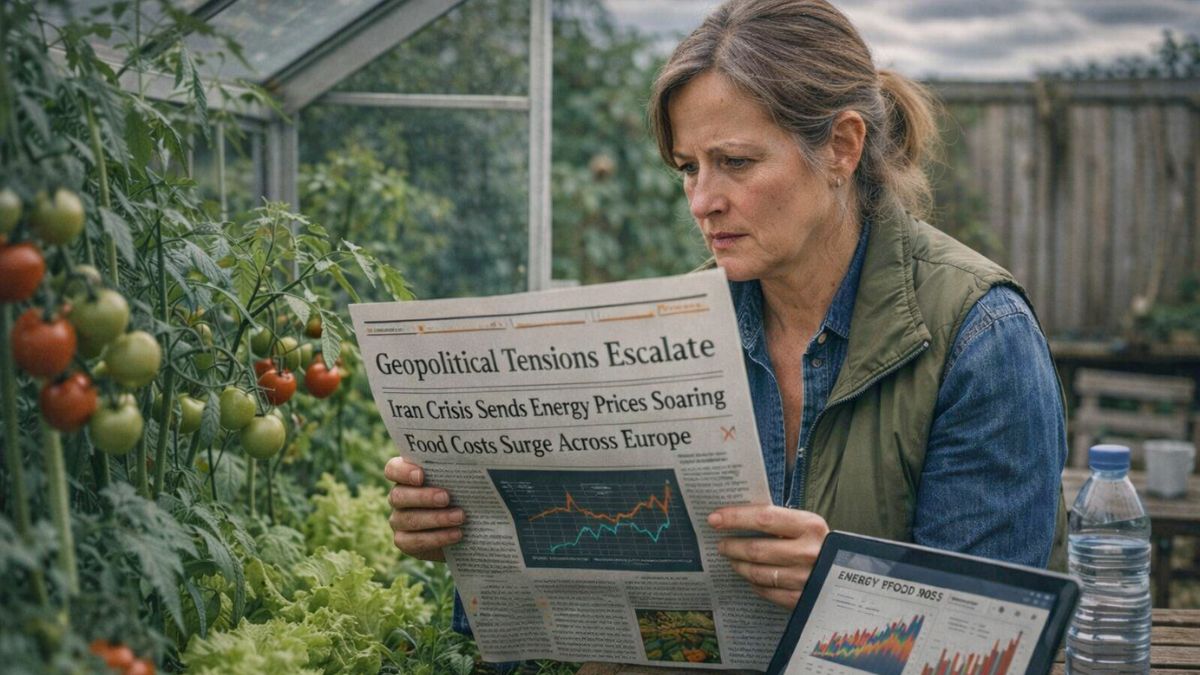
The blockage of the Strait of Hormuz is a case in point. This strategic seaway, through which a major part of the world’s oil transits, was disrupted, leading to a rapid rise in energy prices. And when the cost of energy rises, so does the entire chain: transport, agricultural production, logistics… and hence food prices.
But we’ve already experienced this type of imbalance, on another scale.
During the COVID-19 pandemic, supply chains were severely disrupted. Border closures, labor shortages, transport slowdowns: in the space of a few weeks, certain products became hard to find, particularly fresh fruit and vegetables.
Many then discovered a simple reality: even without a global shortage, access to quality food can quickly become uncertain.
The real issue: our dependence
The problem isn’t so much the system itself. It works, and very well indeed. The real issue is the level of dependence we’ve developed on it.
Today, we produce very little of what we consume. We rarely store. Many of us have lost simple skills. In exchange for comfort and convenience, we have outsourced most of our needs.
This means that in the event of a disruption, whether geopolitical, energy-related or technical, we have very little margin. And it is precisely this lack of margin that creates vulnerability.
Regaining independence, without disruption
Faced with this reality, it’s not a question of “getting out of the system” or adopting an extreme lifestyle. Rather, the challenge is to gradually rebalance our level of dependence. We talk about this in more detail here: ” Quickly my greenhouse
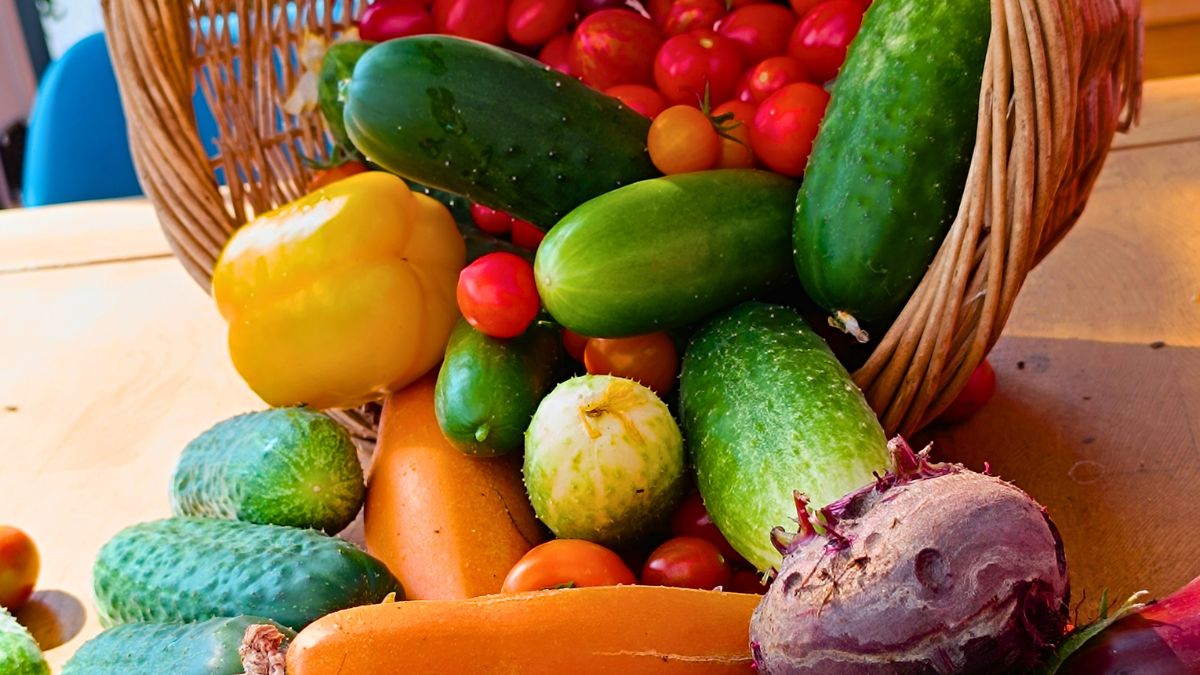
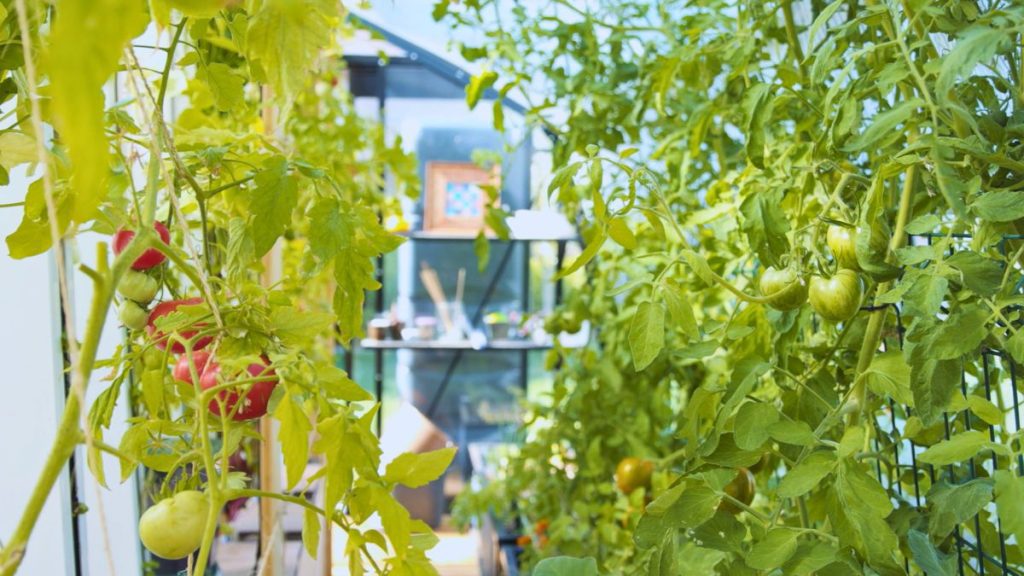
That’s exactly what Myfood is all about: enabling people to take charge of part of their own diet, at their own level. Growing a few vegetables, understanding cycles, rediscovering simple gestures… these actions may seem modest, but they profoundly change the relationship we have with what we eat.
Food autonomy is not an absolute objective. It’s a cursor. And every step counts.
In a context where energy and transport costs remain volatile, we have chosen to keep this access as simple as possible, even if, like the rest of the system, this balance is bound to evolve. So if you’ve got a project in the pipeline, don’t hesitate to talk to our team.
Conclusion
The system we live in is efficient, but it remains sensitive to disturbances. And it doesn’t have to collapse to get us into trouble: sometimes it just has to slow down.
The blocking of the Strait of Hormuz reminds us of a simple fact: an event thousands of kilometers away can, in the space of a few days, have an impact on our daily lives.
So the real question isn’t, “Can everything just stop?
But rather, “If this happens… what does my daily life really depend on today?”