
What if everything stopped tomorrow?
April 14, 2026
Grow your purchasing power
June 3, 2026
Last night, France 5 aired a new edition ofEnquête de santé presented by Marina Carrère d’Encausse, entitled ” Aliments pollués: on mange quoi maintenant? ” ( Polluted food: what do we eat now?). Cadmium in bread and pasta, hexane in certain oils, pesticide residues on fruit and vegetables: Magali Cotard’s documentary takes a worrying look at the invisible pollutants we ingest on a daily basis.
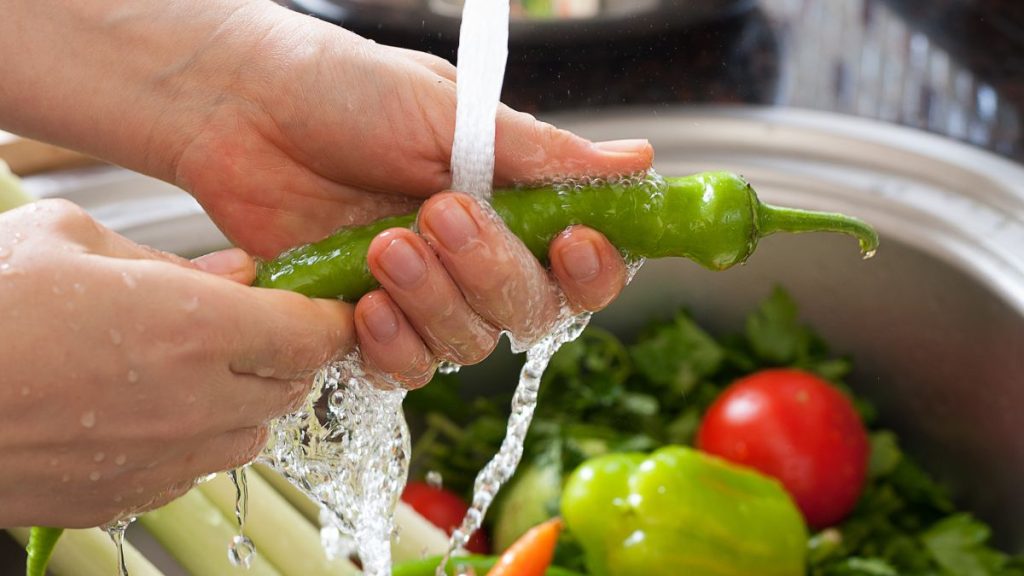
In the middle of the report, a simple, almost banal question is asked: “Is washing really effective in getting rid of pesticides?”
If you run your apples under water, scrub your tomatoes, or soak your strawberries in white vinegar thinking you’re eating healthier, take two minutes. The answer is worth thinking about, because it changes the way you think about what you buy.
The short answer: no, not really
To understand why, we need to distinguish between two very different pesticide families.
- Contact pesticides remain on the surface of the fruit or vegetable. They act where they are sprayed. For these, yes: a good rinse, brushing the skin or soaking removes some of the residue.
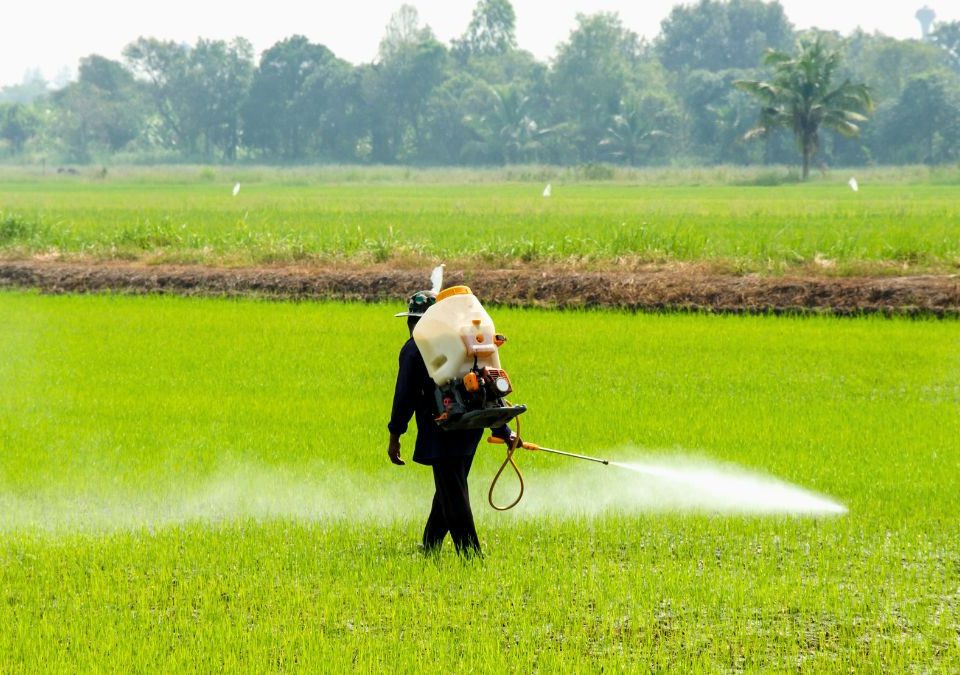
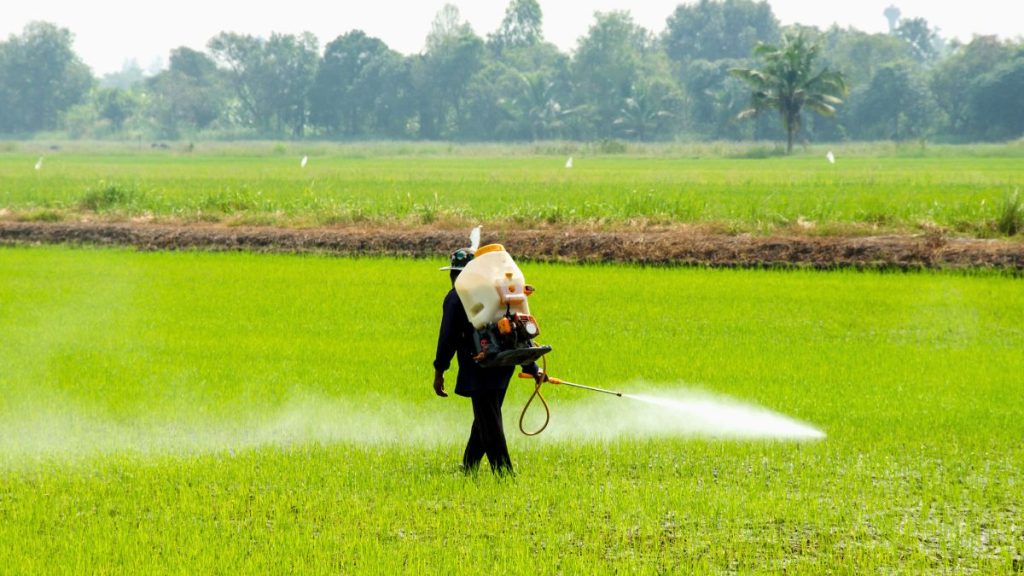
- Systemic pesticides, on the other hand, are designed to be absorbed by the plant itself. They circulate in the sap, diffusing into leaves, stems and fruit. Systemic pesticides are absorbed by food and move within it. No amount of washing, no matter how vigorous, can reach what’s inside the plant tissue.
And therein lies the rub: a large proportion of the plant protection products used today are precisely systemic. Neonicotinoids (insecticides still authorized under exemption for certain crops) and glyphosate-based herbicides are the best-known examples.
White vinegar, baking soda, salt water: what’s it worth?
On blogs and networks, “grandma’s tricks” for decontaminating fruit and vegetables are circulating constantly. But what does science have to say?
- Tap water alone: useful for dust, soil and certain surface residues. But its effectiveness varies enormously depending on the pesticide: some disappear completely, others not at all.
- Baking soda: this is the most well-documented method. One study showed that a 15-minute bath could remove up to 80% of Thiabendazole residues (a systemic fungicide) and 95.6% of Phosmet residues (a contact insecticide) from the surface of apples. It’s effective… for what’s on the surface.
- White vinegar: moderate acid effect, comparable to water for most residues, no miracle.
- Peeling: the most radical solution for surface pesticides, but much of the fiber, antioxidants and vitamin C are discarded with the skin.
What all these techniques have in common is that they never reach the inside of the fruit or vegetable. If the molecule has been absorbed by the plant, it remains on your plate.
The disturbing fact
The UFC-Que Choisir observatory has published analyses that speak for themselves: half of conventionally farmed plant products contain at least one pesticide that is hazardous to health (a carcinogen or endocrine disruptor, for example), and more than a third contain several.
In other words, the reassuring gesture you make every morning over the sink only protects you, at best, from part of the problem. What about organic? It limits pollution, but doesn’t eliminate all risks: soils remain contaminated for decades, irrigation water can carry residues, and even neighboring crops impact organic plots through aerial drift.

What we can do
There’s no need to panic. Eating fruit and vegetables remains essential! Their nutritional benefits far outweigh the risks associated with residues. But you can intelligently reduce your exposure:
- Produce yourself what you consume most.
- Vary sources and seasons. The more we diversify, the less we accumulate the same molecule.
- Focus on the most exposed organic fruits and vegetables: strawberries, apples, grapes, spinach, peppers (the “Dirty Dozen” lists are updated every year).
- Baking soda + brushing for skins that can be eaten (apples, pears, zucchinis).
- Know the origin. A local market gardener you can ask about his practices is better than a faceless label.
The only 100% reliable traceability: that of your own production
If you can’t trust your washing, your soil or your irrigation water, then real traceability begins in your own garden. Growing produce yourself, in a controlled environment, is the guarantee of knowing exactly what touches, or doesn’t touch, your lettuce, tomatoes and strawberries.
That’s what Myfood aquaponic greenhouses are all about: 0 pesticides, 0 chemical treatments, filtered water and an inert substrate. You harvest what you sow and nothing else. No residues, no doubts, no need for bicarbonate.
The France 5 report asks the right question. Our answer for the last ten years has been in our greenhouses.