

Behind every red tomato in the supermarket lies a void. A nutritional void.
Industrial agriculture has traded quality for quantity. The result: nutrient-depleted fruit and vegetables that are visually perfect but practically hollow (see last month’s article).
According to Nutriscope data, some vegetables have lost up to 50% of their iron content since the 1950s, and vitamin B2 has fallen by 38%.
Why? Because after 1945, the chemical industry, which had grown out of the arms industry, found a new target: agriculture. Synthetic fertilizers, intensive varietal selection, yield targets… everything was designed to produce fast, store long and travel far. The result? Impoverished fruit and vegetables, a far cry from those grown by our grandparents.
You think you’re eating healthily… In reality, you’re swallowing food that’s calibrated to seduce the eye but emptied of its nutrients.
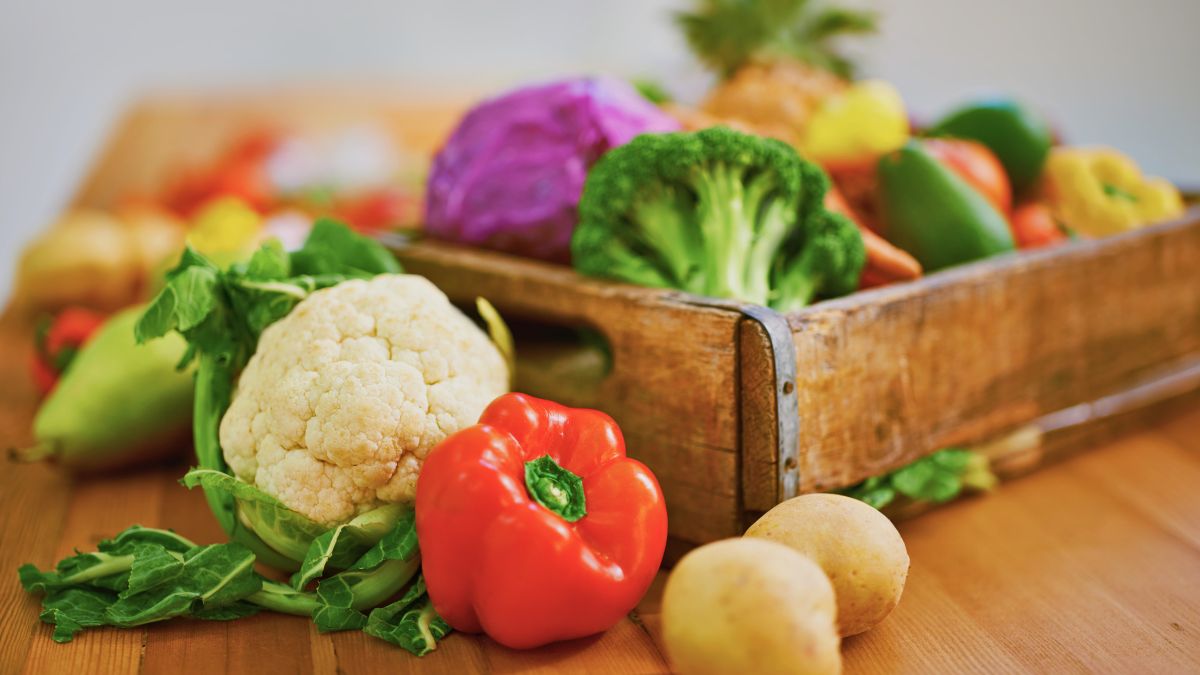
Industrial agriculture: a real source of nutritional starvation
Seducing consumers in supermarket stalls if not feeding them
The uniformity of fruit and vegetables in supermarkets no longer surprises anyone. And yet, it reflects a real discrepancy: between the imperfect nature of a living food… and the processed vegetables of the agro-industry. Our exposure to these “perfect” products, no matter where we buy them, has made us forget what a truly natural vegetable should be.
More CO₂, more sugar, but fewer minerals
It’s not a theory, it’s a scientific fact.
Modern agriculture, boosted by powerful machinery and inputs derived from hydrocarbons, has contributed to enriching the atmosphere in CO₂. The result? Plants assimilate more carbon, produce more sugars… and put on weight faster.
They look more beautiful, more voluminous, but this appearance conceals an imbalance: their leaves, fruit and roots contain fewer and fewer essential minerals such as iron, zinc, calcium and certain vitamins.
National Geographic reports an average drop of -8% in minerals, with peaks of up to -40% for iron and zinc. An invisible loss that amounts to taking away some of the little we already had to eat.
Early ripening + transport = flat food
Picked green, stored for days, conditioned for transport (packaging, cold chain…): your vegetables lose up to 20% of their antioxidant and vitamin content during transport or post-harvest storage. See the Nutriscope article
A deficient body, even if you eat “just right
In France, 3 out of 4 adults don’t eat the recommended 5 portions of fruit and vegetables a day. And those who do? They no longer have the same intake as 50 years ago:
- -75% magnesium in carrots
- -90% copper in spinach
- An apple? 100 times less vitamin C than in 1950.
The result: widespread deficiencies, 2 billion people affected worldwide, and a hefty bill for society – $8,000 billion a year, according to the FAO.
So what? Do you have to eat 25 portions a day to make up for the shortfall?
Spoiler alert: even then, you’d take your dose of pesticides with it.
Regain control with a Myfood greenhouse
What if you stopped suffering… and started growing?
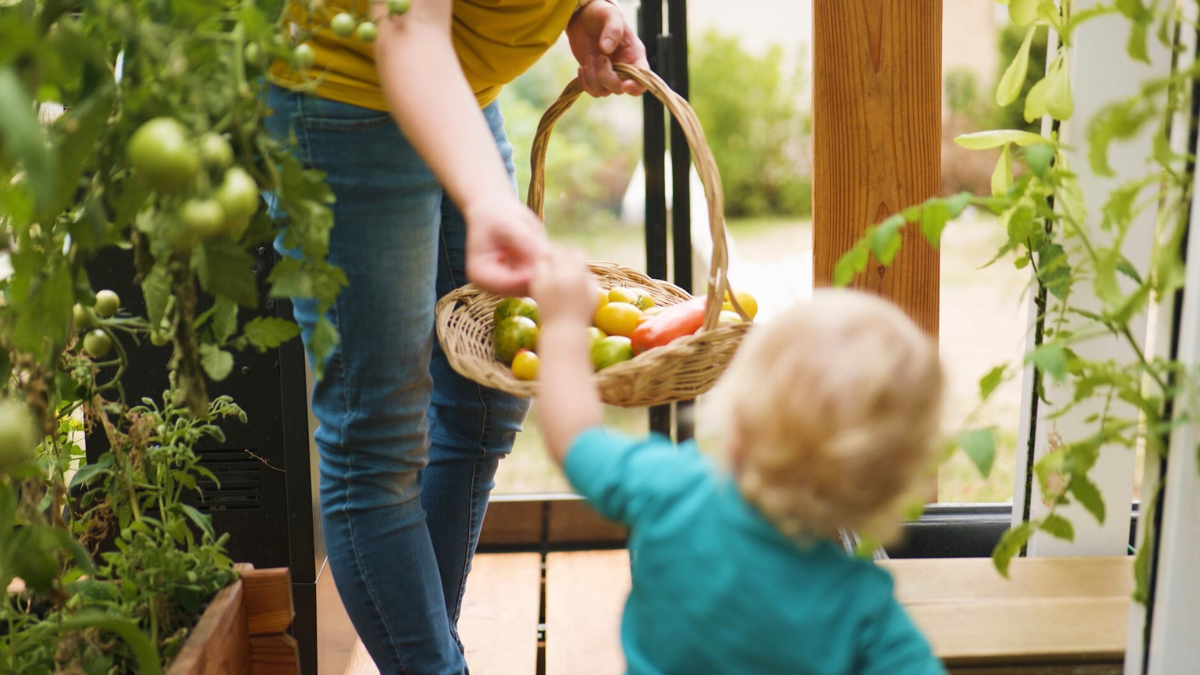
With a Myfood greenhouse, you grow your own fruit and vegetables, at home, all year round. You sow the seeds, harvest them when they’re ripe, and taste the real freshness again – the kind that no supermarket can offer.
No more doubts about provenance or vitamins evaporated en route.
You choose nutrient-rich varieties, control your inputs and say goodbye to transport losses. Bonus: you’re doing your bit for the planet.
The result? Ultra-fresh, healthy, tasty food… of your own making.
It’s concrete, gratifying and changes everything for your health, your family… and your confidence in the future.