
A petition is currently circulating, and it’s hitting the nail on the head: it denounces what its authors call a “tax overdose” and calls, quite simply, for the French to be given back the fruits of their labor and their purchasing power. The accompanying statement is sobering. Every year, economists calculate the “day of tax liberation”: the date when people stop working to finance compulsory deductions and finally start earning for themselves.
In 2025, according to theInstitut économique Molinari and EY, this date falls around July 17, the latest in the entire European Union. In other words, until mid-July, everything you earn goes into the big tax and social machine. Still according to this study, the tax burden on the average gross salary reaches 54.4% when social security contributions, CSG, CRDS, income tax and VAT are added up: to have €100 of real purchasing power, a French person must first pay 119 in deductions.
But that’s not the most striking thing. The most striking thing is what we don’t see.
An ordinary day, and the tax system behind it
Let’s follow an ordinary day.
8 h. You start the car to go to work. At the pump, more than half the price per liter doesn’t pay for the oil, the refiner or the distributor: it’s taxes (excise duty, ex-TICPE, then VAT… calculated on top of the tax itself, i.e. a tax on a tax). You fill the tank thinking you’re paying for fuel. What you’re really paying for is tax.
12 h 30. Lunch break, sandwich and coffee. VAT is there, discreetly, on every line of the ticket. On catering, on drinks, on just about everything you consume.
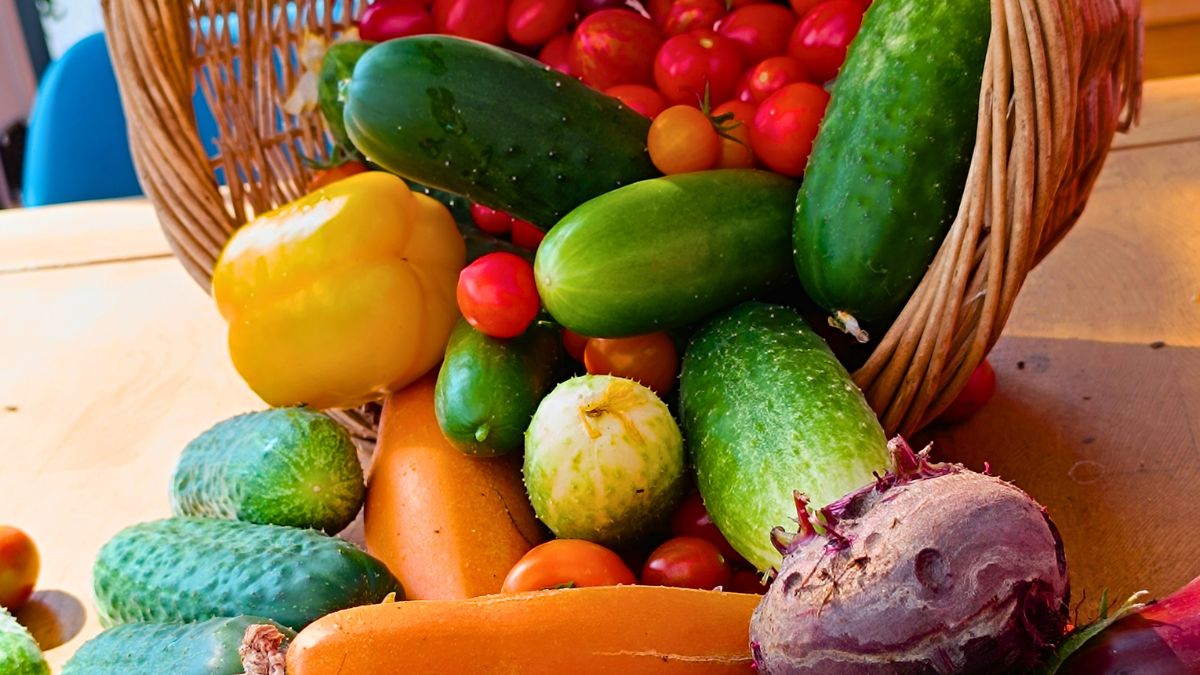
18 h. The supermarket. And this is where taxation becomes truly invisible. The price of the tomato you put in your basket is not just a farm price. It incorporates, in cascade :
- the taxed fuel of the trucks that transported it from the other end of Europe
- taxed energy from the refrigerated warehouses where it has been stored
- charges and contributions for all links in the chain: producer, carrier, wholesaler, distributor
- and VAT on the finished product.
You think you’re buying a tomato. You buy a tomato, plus a dozen layers of taxes piled up along the way. At each stage, part of it goes to the state. And you never see it: it’s melted into the price you pay.
20 h. Back home, you turn on the heating and the lights. On your electricity bill too, VAT and excise duties are added to the price of the energy itself.
Add up one day. Then a year. That’s exactly what the famous “tax-free day” measures: half your working time, already gone, before you’ve earned a single euro.
The hidden price on your plate
Let’s take this tomato again. It sums up the problem: we’re paying dearly for food we no longer control. Expensive, because it has traveled hundreds of kilometers. Expensive, because it has passed through a fully taxed supply chain. And at the end of the day, we’re left with fruit that’s been picked before it’s ripe, and of which we know nothing about the actual origin, processing or freshness.
This is where a simple question becomes political in the noblest sense of the term: what if we could take back control of some of what we eat?
Taking back control: producing for yourself
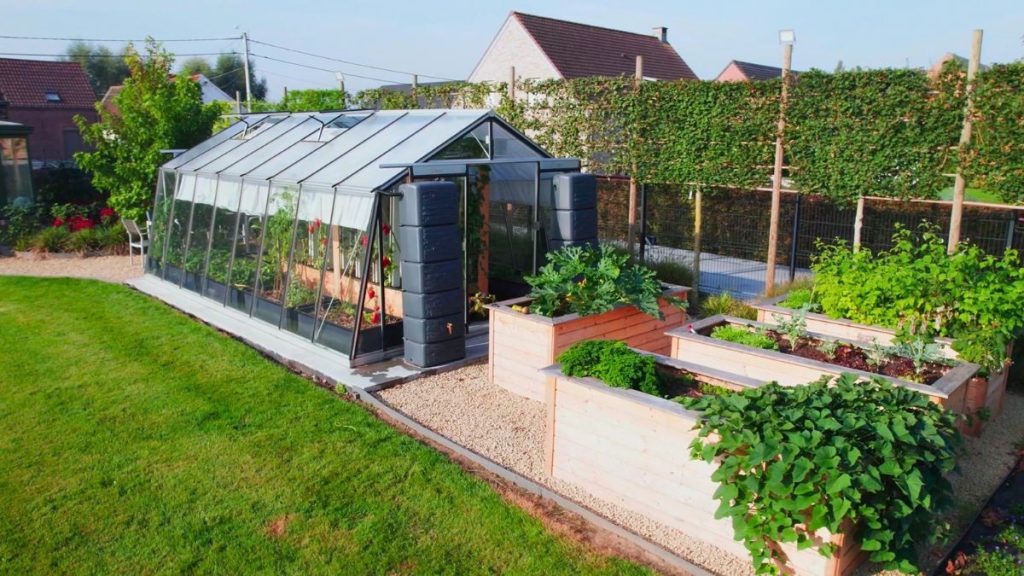
Growing your own fruit and vegetables isn’t just a gardener’s whim. In very concrete terms, it’s a way of restoring purchasing power on an incompressible item of expenditure: food. Every lettuce, every tomato, every bunch of aromatic herbs you pick at home is a product that has not passed through any taxed logistics chain, warehouse or truck. The hidden taxation disappears, because the journey disappears: from the greenhouse or vegetable garden to the plate, it’s just a few meters.
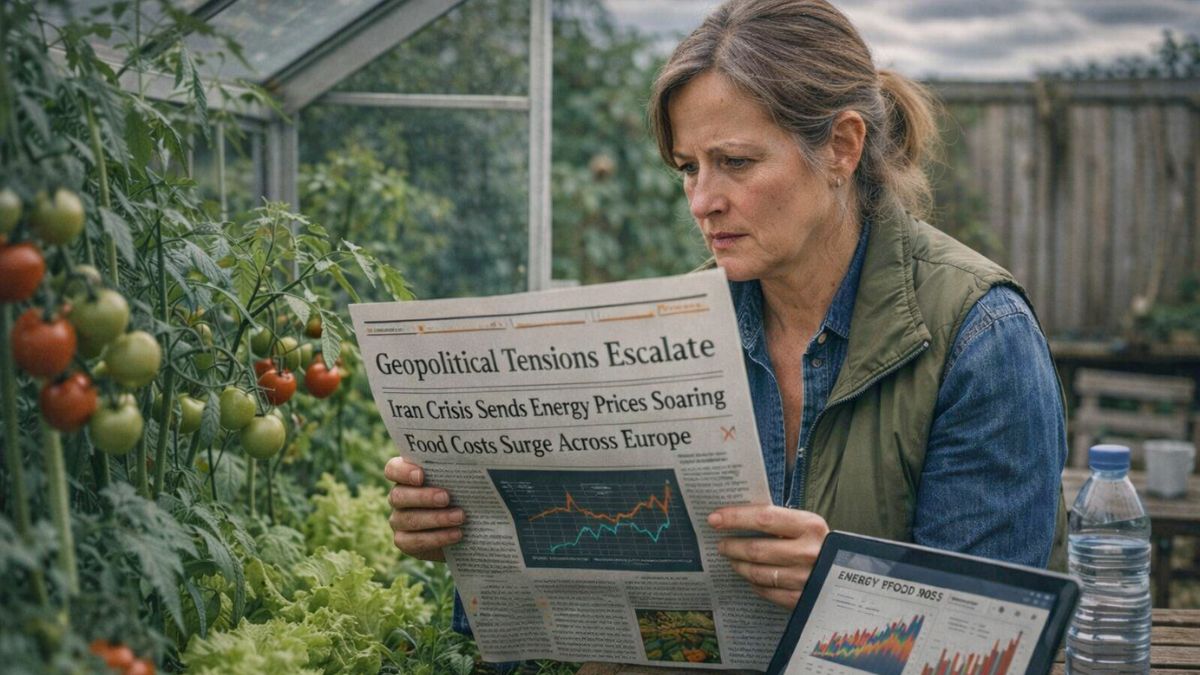
It’s also, and perhaps above all, a feeling of security. At a time when food prices are rising and we’re wondering what’s really in what we buy, knowing how to produce part of our own food changes our relationship with everyday life. We’re no longer completely submissive. We regain a measure of autonomy, the very autonomy that the petition calls for to be returned to citizens.
That’s what Myfood aquaponic greenhouses are all about: enabling a family to produce a significant proportion of its fruit and vegetables at home, all year round, without agronomic expertise and with very little water. With a Myfood greenhouse, it’s possible to cover up to 80% of the fruit and vegetable needs of a family of four. Not to live in autarky, but to regain ground on a constrained budget and rediscover the taste, in the truest sense of the word, of what we eat.
📌 Received ideas: “But they’re going to tax me for my vegetable garden!”
It’s one of the fears we hear most often. Let’s set the record straight, calmly.
No, there is no tax on growing your own fruit and vegetables. What you harvest and consume at home is neither taxable income nor an activity subject to VAT. No “harvest tax”, no annual royalty on your personal production. Your vegetable garden will never cost you a cent of tax on what it grows.
The only possible contribution concerns the structure, not the crop. As with a garden shed or veranda, an enclosed and covered greenhouse over 5 m² (and over 1.80 m in height) is subject to development tax. This is a local tax linked to construction, the same as for any outdoor development.
And it’s a one-off payment. Development tax is paid only once, in the year following installation. It’s not an annual tax, nor a subscription fee: you pay it once, period. The amount depends on the surface area and the rates voted by your commune and department (structures smaller than 5 m² are totally exempt). However, the law allows municipalities to exempt greenhouses of less than 20m² from development tax. To find out more: CODE DE L’URBANISME
To put it plainly: your greenhouse is not a “tax trap”. It’s subject to the same planning regulations as any other garden construction, with a one-off contribution to start with, and then years of harvest that are never taxed.
Conclusion: the fruits of your labour, in the truest sense of the word
The petition calls for the French to be given back the fruits of their labor. You can sign, campaign and debate, and it’s useful. But there’s also a concrete gesture, on your own scale, that starts in your garden: producing part of what you eat means recovering a share of purchasing power that would otherwise have been diluted in dozens of invisible taxes.
Working until July for the government is one thing. But from your own garden, every tomato you harvest is, quite literally, the fruit of your labor and no one else’s.
At MyfoodWe believe that regaining control over one’s diet is one of the simplest and most powerful levers for gaining autonomy. Want to know more about our greenhouses? We’ll be happy to discuss it with you.